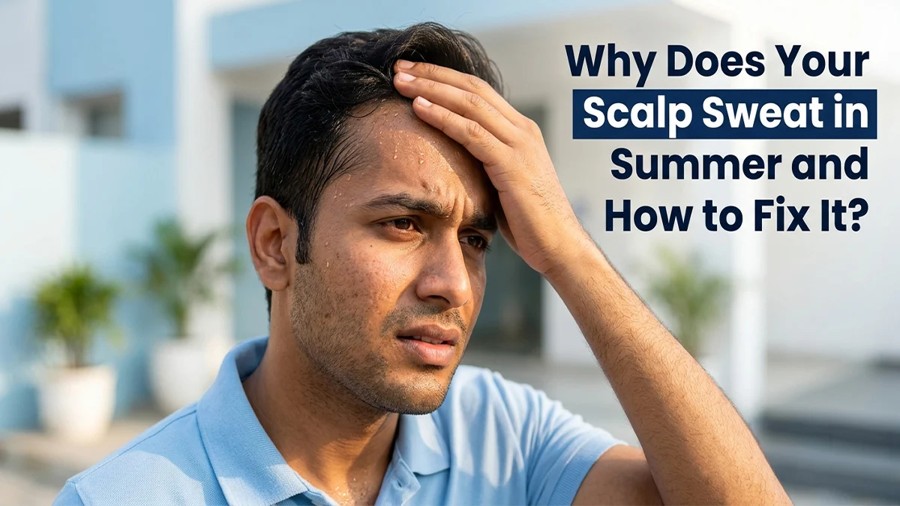
Most Chennai residents prioritize facial skincare during the summer, but the real physical misery usually starts under the hair. The scalp contains more sweat and oil glands per square inch than almost any other part of the body. When the humidity hits peak levels in coastal areas like Thiruvanmiyur or Sholinganallur, these glands don’t just leak; they overflow. People often ask why does my scalp sweats so much when the rest of their skin feels manageable, and the reality is that hair creates a permanent greenhouse effect. It acts as an insulator that blocks the airflow needed for evaporation, turning your sweat into a thick, biological sludge as it mixes with dust and natural lipids. This isn’t just a comfort issue. Sustained moisture weakens hair anchors and invites fungal infections, leading to localized dermatitis. You need to see a hair care treatment in Chennai the moment that dampness turns into a persistent itch or a sour odor that won’t wash away.
The Biological Mechanism of Scalp Sweating
The human scalp is physically incapable of cooling itself efficiently in a tropical climate. On your arms or legs, sweat evaporates and carries heat away. Hair makes this impossible. It traps the moisture in a liquid state against the skin, keeping the surface temperature high. Your brain detects this heat and signals the glands to pump out even more sweat in a failed attempt to cool down, creating a relentless cycle of dampness.
In Chennai’s high-salinity air, the salt in your sweat becomes a major irritant once the water dries. It leaves a concentrated residue that pulls moisture out of the hair shaft, which is why so many people have brittle, straw-like hair despite having a greasy scalp. If you don’t rinse this salt away, the lactic acid buildup triggers “sweat dermatitis.” These are the tiny, painful bumps you feel along your hairline after a long commute.
The Impact of an Oily Scalp in Hot Weather
Sweat and sebum are a volatile mix. As the temperature rises, your pores don’t just release water. They dump heavy lipids into the moisture, creating a warm, anaerobic environment. This is exactly where the Malassezia fungus thrives. It lives on everyone’s skin, but the Chennai humidity allows it to multiply until it overwhelms your local immunity.
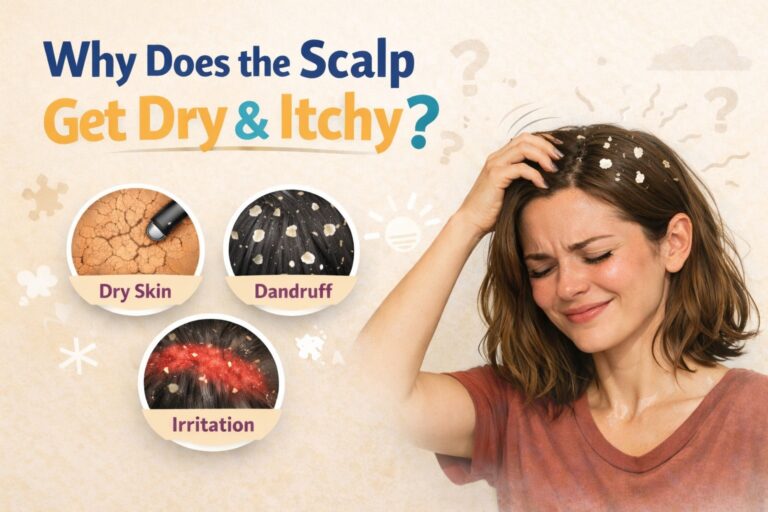
- Inflammation and Flaking: The fungus secretes oleic acid as it feeds on your scalp oils. If your skin is sensitive to this acid, it responds by shedding cells too fast. This is seborrheic dermatitis. You’ll recognize it by the thick, yellowish, greasy flakes that stick to the scalp, which is very different from the dry, white dust of standard dandruff.
- Microbial Odor: Sweat has no smell until the bacteria in your hair follicles start breaking down the proteins. In the heat, this happens fast. They turn the lipids into volatile compounds that create a heavy, sour smell that often persists even after a quick shower.
- Folliculitis: The sludge of sweat and oil forms a physical plug over the pore. When bacteria get trapped underneath, you get red, painful pustules. These are essentially scalp acne, and they can lead to permanent scarring if they get infected.
Managing an oily scalp in hot weather requires more than just aggressive scrubbing. You have to stabilize the pH. Over-washing with harsh soaps destroys the acid mantle, which actually makes the fungal irritation more aggressive.
Designing a Scalp Care Routine for Summer
Most people use the same heavy, moisturizing products all year, which is a mistake. A functional scalp care routine for summer has to be about skin clarification. You are cleaning the skin, not just the hair.
- Daily Washing: The “no-poo” trend is a disaster in a city like Chennai. If you’re on the road or in the heat, you have to wash every day. You need to get the salt and dust off before they harden into a crust that blocks the follicles.
- Skin-Centric Cleansing: Treat your shampoo as a medical wash. Massage it into the scalp with your fingertips for at least sixty seconds. Don’t worry about the ends of your hair; the suds will clean them enough as they rinse off.
- Chemical Exfoliation: Skip the physical scrubs. Use a scalp serum with salicylic acid twice a week. It goes inside the pore to dissolve the oxidized oil. This is the only way to stop the plugs that cause folliculitis.
- The Cold Water Finish: Always end your shower with cold water. It constricts the blood vessels and drops the skin temperature instantly. This prevents that immediate wave of sweating that usually happens right after you step out of a humid bathroom.
Switching to this scalp care routine for summer usually stops the midday itching and the feeling of “heavy” hair that most professionals deal with.
The “Helmet Hair” Problem in Chennai
For the IT workforce commuting on the OMR, helmets are a primary cause of scalp distress. A helmet is a sealed, hot box. The internal temperature can be five degrees higher than the air outside. The friction of the padding against a damp scalp causes traction issues and feeds the bacteria that cause dandruff.
- The Cotton Layer: Wear a thin, breathable cotton scarf under the helmet. It absorbs the sweat before it can soak into the helmet’s foam padding, which is a notorious breeding ground for germs.
- Sanitization: If you don’t wash your helmet liner, you are re-infecting your skin every single morning. Use an antibacterial spray or wash the removable pads every weekend.
- Let it Breathe: Don’t tie your hair in a tight ponytail immediately after a ride. The moisture trapped in the hair stays damp for hours, which macerates the skin and makes the hair roots vulnerable.
Practical Tips on How to Keep Scalp Fresh
Your habits outside the bathroom matter just as much as your shampoo. Many people ask why does my scalp sweat so much even in air-conditioned offices. This is often caused by “residual heat” from poor drying.
- Dry it Properly: Leaving the house with damp hair is a mistake. The moisture acts like glue for the dust on the OMR. Use a dryer on the “cool” setting. Blasting a sweaty scalp with high heat only triggers the glands to produce more moisture as a defense.
- Ditch the Heavy Products: Stop using butter-based pomades or heavy oils during the summer. They migrate to the scalp and add to the congestion. Use light, water-based serums if you need to control frizz.
- Airflow Styles: Tight hairstyles stop the air from reaching your skin. Opt for loose styles that let the moisture evaporate naturally.
The goal of learning how to keep scalp fresh is to minimize the time your skin spends in a damp, anaerobic state.
Clinical Solutions for Excessive Scalp Sweating
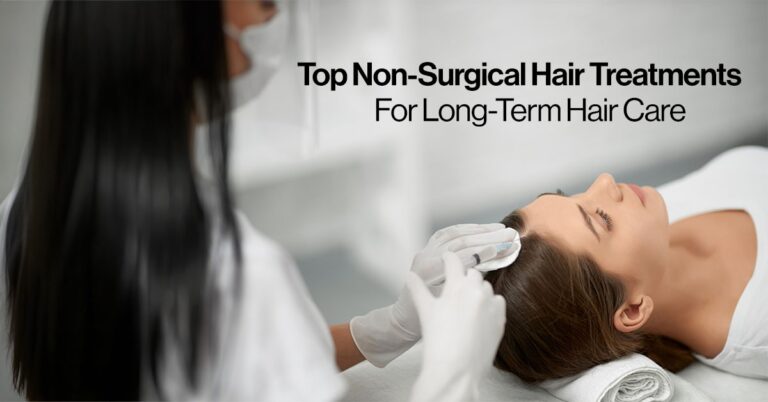
When hygiene isn’t enough to stop the oil, you need professional intervention to save your hair density. If you see your hair thinning along with the oiliness, a clinical consultation can provide medical protocols that home products can’t match.
- Medical Scalp Peels: These use high concentrations of AHAs to strip away the biofilm that shampoos can’t touch. It’s a deep-clean for the follicles.
- Botox for Scalp Hyperhidrosis: If the sweating is so bad that it ruins your social life, micro-injections of Botox can block the nerve signals to the sweat glands for several months.
- Antifungal Resets: If you have developed a clinical case of seborrhoeic dermatitis, you will need prescription-strength ketoconazole to reset the scalp’s microbiome.
Medical experts at a specialized clinic will also check for underlying causes like hormonal issues or vitamin D deficiencies that often make the sweat glands hyper-reactive.
The Connection Between Scalp Health and Hair Fall
A neglected, sweaty scalp leads directly to hair shedding. The inflammation from the Malassezia fungus and the salt from your sweat weaken the hair’s grip in the follicle. This is why hair fall spikes during the Chennai summer. By keeping the scalp dry and clean, you are physically protecting the life of your hair.
You have to manage the scalp’s temperature. Whether it’s a new scalp care routine for summer or a clinical cleaning session, solving the moisture problem is the only way to avoid permanent thinning.
Final Thoughts on Summer Scalp Maintenance
The point of summer care is to stop the buildup before it causes irritation. You can’t change the Chennai heat, but you can control how long the sweat sits on your skin. If you constantly scratch or notice a smell, it indicates a disruption in your scalp’s ecosystem.Focusing on how to keep scalp fresh through better drying and environmental awareness keeps your hair resilient. If the problem doesn’t go away, consulting a dermatologist specialist in Chennai at Akshaya Skin Clinic is the only way to run the diagnostics needed to find the root cause. Your scalp is just skin, and in this heat, it needs medical attention, not just a better shampoo.