Chennai summers are not forgiving, and your hair takes the hit as much as your skin does. Between April and July, UV intensity peaks, humidity swings wildly, and stepping outside even briefly can leave the scalp sweaty and the hair shaft dry at the same time. Most people focus their summer skincare routine on their face and body and leave the hair to manage on its own. That is usually when the damage shows up, a few weeks later, as brittleness, colour fade, increased shedding, or a scalp that stays irritated no matter what you use. A proper hot weather hair care approach treats the scalp and the hair strand as two different surfaces with two different needs, and addresses both. For anyone already dealing with noticeable hair changes, consulting a specialist for hair treatment in Chennai early in the season prevents a manageable issue from becoming a persistent one.
What Summer Actually Does to Your Hair
UV radiation does to hair what it does to fabric left in the sun: it breaks it down. The outer layer of each hair strand, the cuticle, is a series of overlapping scales that protect the inner cortex. Prolonged UV exposure degrades the proteins that hold this structure together, particularly melanin and keratin. The result is hair that looks dull, feels rough to the touch, and snaps more easily when brushed or styled.
The scalp takes a different kind of damage. It produces more sebum in the heat, sweat accumulates faster, and the combination of both creates a warm, slightly acidic environment that encourages fungal and bacterial overgrowth. The scalp’s natural pH, around 4.5 to 5.5, gets disrupted by constant sweating. When that balance shifts, the follicle environment becomes less stable, and shedding increases.
Heat from the environment also dehydrates the hair shaft directly. The moisture content inside the strand drops, making the hair less elastic and more prone to breakage. This is separate from what any heat styling tool does; outdoor heat alone causes measurable dryness in hair exposed to high temperatures consistently over weeks.
Sun Protection for the Scalp
The scalp is skin. It burns, it ages with UV exposure, and it develops the same kind of cumulative damage that facial skin does without protection. This is something most people do not think about until they notice thinning at the parting or a consistently irritated hairline.
Sun protection for scalp comes in several practical forms:
- UV-protective hair mists and serums: These are the most convenient option for daily use. Look for products containing zinc oxide, titanium dioxide, or UV filters designed for hair. Apply directly to the parting and hairline before going out.
- Physical coverage: A hat or scarf is the most reliable sun protection for scalp you can get, no product matches it. Especially useful between 11 am and 3 pm, it also cuts down how much the scalp heats up and sweats.
- SPF-infused hair products: Leave-ins and styling creams with UV filters help, but they coat the hair more than the scalp. Treat them as backup, not the main line of defence on high-exposure days.
- Timing outdoor exposure: When possible, limit time in direct sunlight during peak UV hours. Even 30 minutes of peak-hour exposure without any protection accumulates into significant damage over a season.
One important note on scalp SPF products: they require proper removal. Standard shampoo does not fully break down the film-forming agents in most sunscreen formulations. Using a clarifying or micellar shampoo after sun-heavy days prevents product buildup from blocking follicles.
Keeping Your Scalp Hydrated in Summer
Hydration and moisture are two different things in hair care, though the terms get used interchangeably. Hydration refers to water content inside the hair shaft and at the scalp surface. Moisture refers to the oils and emollients that seal that water in. In summer, the scalp often presents as oily on the surface while being dehydrated underneath, which leads to the common mistake of skipping all scalp products to control grease.
These scalp hydration tips address both sides of the issue:
- Lightweight hydrating serums at the scalp: Look for products containing hyaluronic acid, aloe vera, or niacinamide. These replenish water content without adding grease. Apply to the scalp after washing, not before.
- Drink more water than you think you need: Hair is one of the last tissues to receive hydration when the body is slightly dehydrated. In Chennai’s heat, most people are running at mild dehydration through most of the day. Two to three litres minimum is a reasonable baseline.
- Avoid washing with hot water: Hot water strips the scalp’s natural oils faster than the body can replace them, triggering overproduction of sebum to compensate. Cool or lukewarm water maintains the scalp’s moisture balance.
- Aloe vera as a scalp treatment: Applied directly to the scalp 20 minutes before washing, aloe vera gel provides hydration, mild anti-inflammatory action, and helps regulate sebum. It is one of the more effective low-cost scalp hydration tips for summer.
- Coconut water consumption: This specifically supports electrolyte balance, which affects how efficiently the body circulates nutrients to the scalp and hair follicles.
Building Your Routine for Summer
A summer hair care routine does not need to be complicated, but it does need to be consistent. The following structure works well for the Chennai climate:
Morning:
- Apply a UV-protective leave-in or hair mist to the length of the hair and directly to any exposed scalp parting
- Use a wide-tooth comb on damp hair to detangle without snapping weakened strands
- Avoid heat styling tools on days of high outdoor heat exposure; air drying is preferable
Wash days (every 2 to 3 days in summer):
- Use a mild, sulphate-free shampoo on the scalp
- If you have used scalp SPF, start with a micellar or clarifying shampoo before the regular wash
- Follow with a moisture-rich conditioner applied mid-length to ends, not at the roots
- Finish with a cool rinse
Weekly:
- A scalp exfoliation using a salicylic acid scalp scrub clears accumulated sweat residue, sebum, and dead skin that weekly washing alone does not fully address
- A protein treatment or deep conditioning mask restores the keratin structure damaged by UV exposure
Throughout the day:
- Reapply scalp SPF if you have been outside for extended periods
- Tie hair loosely to reduce friction and scalp tension; tight styles in heat increase follicle stress
This summer hair care routine is intentionally simple enough to maintain consistently, which matters more than any single high-effort treatment done once a month.
When to See a Specialist
Some summer hair issues resolve with a better routine. Others signal something that needs clinical attention. If any of the following are present, it is worth getting a proper assessment:
- Hair fall that has been noticeably heavier than usual for more than six weeks
- Patches of thinning rather than general diffuse shedding
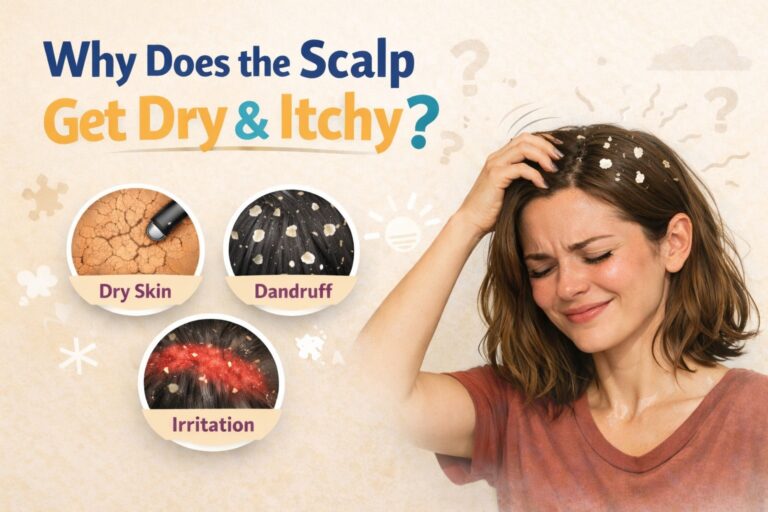
- A persistently itchy, flaky, or red scalp that does not respond to over-the-counter anti-dandruff products
- Hair that has become significantly drier or more brittle than in previous summers despite routine changes
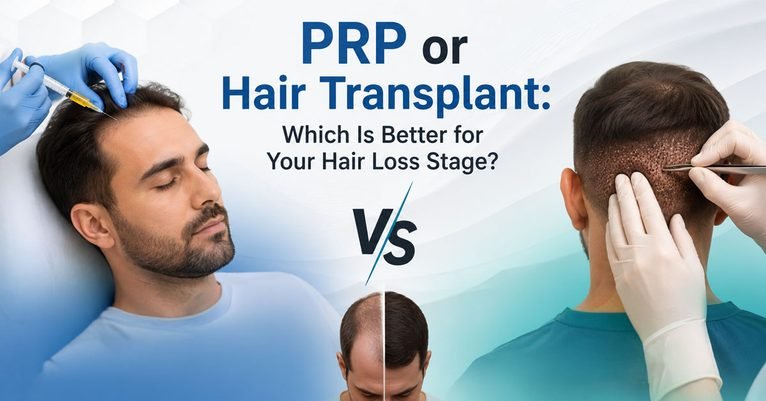
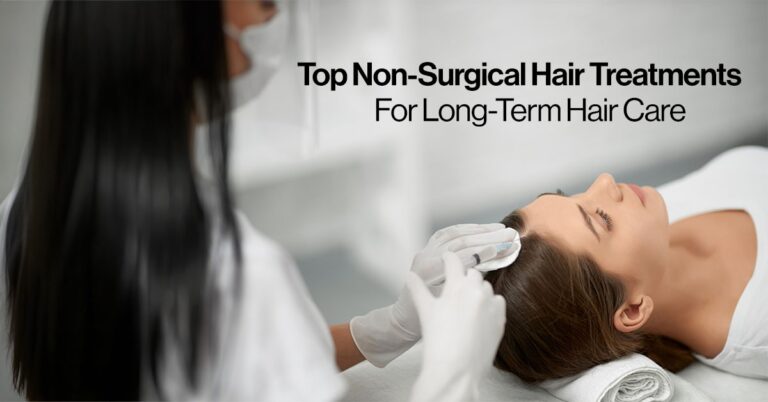
Clinical options available for summer-related hair concerns include PRP (Platelet-Rich Plasma) therapy to reduce follicle inflammation and stimulate regrowth, Hair Mesotherapy to deliver targeted nutrients directly to the scalp, and Hair Exosome Therapy for more advanced cases of follicle stress. These are not first-resort options, but for hair that has been under sustained seasonal stress, they offer a reset that home care cannot.
Keeping It Simple
The fundamentals of hot weather hair care come down to protection, hydration, and consistency. Protect the scalp from UV the way you protect your face. Keep the hair shaft hydrated from inside and out. Cleanse often enough to prevent buildup without stripping what the scalp needs. Most summer hair damage is gradual and preventable.
For persistent concerns that go beyond what a better routine can address, the Aesthetics Skin & Hair Care Clinic Chennai at Dr. Akshaya’s offers both the diagnostic clarity and the clinical treatment options to get your hair back on track before a seasonal issue becomes a long-term one.