
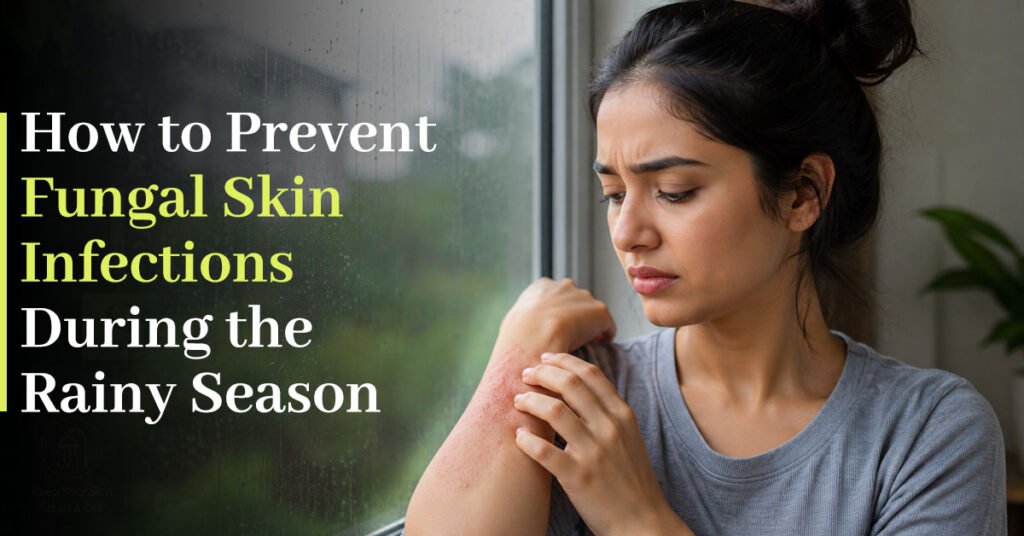
Every year around this time, dermatologists in Chennai start seeing the same pattern: more itching, more rashes, more patches of irritated skin as people walk through the door once the rain sets in. Damp clothes, waterlogged shoes, and humidity that never quite lets skin dry out completely create exactly the conditions fungal organisms need to thrive. If you’ve noticed more itching, redness, or patchy skin since the rains started, you’re not imagining it. These monsoon skincare tips are worth knowing before the season is in full swing, and if a rash isn’t clearing up on its own, a visit to the best skin clinic in Chennai is usually the faster route to relief than waiting it out.
Why the Rainy Season Is Prime Time for Fungal Infections
Fungi love moisture, warmth, and skin folds where air doesn’t circulate well. Monsoon weather checks every one of those boxes. Sweat mixes with rain, clothes stay damp longer than usual, and footwear rarely gets a full day to dry before it’s worn again. Add in shared umbrellas, gym mats, and public transport seating, and skin ends up exposed to fungal spores far more often than during drier months.
People with diabetes, those who sweat heavily, or anyone who spends long hours in wet shoes or synthetic fabric tend to notice symptoms first. But healthy skin isn’t immune either. Ringworm, athlete’s foot, and yeast infections in skin folds are all common during this stretch, and they spread easily within households if towels or clothing get shared.
Signs of Fungal Skin Infection to Watch For
Catching a fungal infection early makes treatment shorter and far less frustrating. Here’s what tends to show up first:
- A ring-shaped patch with a raised, scaly edge and clearer skin in the middle. This is the classic sign most people associate with ringworm.
- Persistent itching that gets worse at night or after sweating.
- Skin folds tend to flare up too: underarms, groin, under the breasts, between the toes, anywhere air doesn’t really reach.
- Between the toes and fingers especially, the skin can start to look flaky or cracked, sometimes peeling in thin layers.
- There’s often a smell that goes with it, a bit musty or sour, most noticeable around the feet by evening.
- Small blisters or pus-filled bumps around the edge of a patch that keeps spreading outward.
If any of these last more than a few days, get it checked rather than waiting to see if it clears on its own. Recognising the signs of a fungal skin infection early is crucial, as these infections rarely resolve without some form of treatment, and scratching only spreads the fungus to new areas of skin.
How to Reduce Fungal Infection Risk This Monsoon
Prevention here is mostly about keeping skin dry and limiting how long it stays damp, and reducing the risk of fungal infection usually involves a few small daily habits rather than any single fix. A few of them make a real difference:
- Dry off properly after getting wet. Pat skin fully dry after a bath or after getting caught in the rain, paying attention to folds and between the toes where moisture lingers.
- Change out of wet clothes quickly. Sitting around in a damp shirt or socks for hours is one of the easiest ways to invite an infection.
- Rotate footwear. Wearing the same pair of shoes two days in a row without letting them dry out completely increases the risk of fungus. Keep a spare pair if you regularly commute in the rain.
- Choose breathable fabrics. Cotton and other natural fibers let skin breathe; synthetic fabrics trap sweat and moisture against the skin for longer.
- Avoid sharing personal items. Towels, socks, and footwear are common ways fungal infections pass between family members.
- Use an antifungal powder in high-risk areas if you’re prone to infections in the groin, underarms, or feet, particularly if you sweat heavily during the day.
None of this is complicated, but consistency matters more than any single step. Skipping one habit for a few days during heavy rain is usually enough for symptoms to start.
Monsoon Skin Care Tips for Daily Protection
Beyond fungal prevention specifically, monsoon weather calls for a few adjustments to a normal skin care routine:
- Wash your feet thoroughly and dry them thoroughly every evening, especially after wearing closed shoes all day.
- Keep nails trimmed short. Long nails trap moisture and dirt more easily, particularly on the feet.
- Switch to a lightweight, non-comedogenic moisturizer since humidity already keeps skin from drying out the way it might in summer.
- Wash bedsheets and towels more frequently than usual. Damp air means they don’t dry as quickly, and lingering moisture is precisely what fungus needs.
- Keep an eye on children’s skin folds, since kids are often less consistent about drying off fully after playing in the rain.
These small, repeated habits do more over a season than any single product. Most dermatologists will say the same thing: monsoon skin problems are largely about moisture management, not about finding a miracle cream.
When a Rash Needs More Than Home Care
Mild cases often respond to over-the-counter antifungal creams within a couple of weeks. But if a patch keeps spreading despite treatment, if it’s oozing or unusually painful, or if it keeps coming back in the same spot, that’s a sign the infection needs a proper diagnosis rather than another round of guesswork. Self-treating with steroid creams, in particular, can make fungal infections look better temporarily while actually letting them spread underneath, which is a common reason rashes come back worse than before.
A qualified skin specialist can confirm what’s actually causing the rash, since several skin conditions mimic fungal infections but need entirely different treatment. A quick skin scraping or visual exam is usually enough to settle the question, and getting it right the first time saves weeks of trial and error with the wrong cream. This is also where a lot of people learn that what they’d been treating as a stubborn ringworm patch was actually something else entirely, which is why the signs of fungal skin infection listed earlier are a starting point for self-checks, not a substitute for an actual diagnosis when something doesn’t clear up.
Monsoon in Chennai doesn’t have to mean months of itchy, recurring rashes. Knowing the early signs, sticking to a few dry-skin habits, and understanding how to reduce fungal infection risk before it starts can help keep skin comfortable through the wet months. Most of it comes down to the same handful of monsoon skin care tips: stay dry, change out of wet clothes quickly, and don’t ignore a rash that’s sticking around longer than it should. And if symptoms do show up despite all that; getting it checked by a dermatologist specialist in Chennai is a far quicker path to clear skin than waiting out the rest of the season, hoping it fades on its own.