Hair loss is rarely a sudden event. It is a slow, often silent progression where follicles miniaturize until they eventually stop producing visible strands. For many residents, finding an effective Hair Treatment in Chennai involves navigating unique environmental challenges, such as high humidity and the mineral-heavy hard water that characterizes the region. These factors don’t just affect the texture of your hair; they impact the health of the scalp environment. While surgical transplants are a well-known end-stage solution, the real progress in modern trichology lies in non-invasive interventions that preserve what you have and revive what is dormant.
The Reality of Hair Thinning in Urban Environments
The shift from thick, voluminous hair to a visible scalp often triggers a sense of urgency. In a city like Chennai, the scalp is constantly fighting against pollutants and sweat. This creates a breeding ground for micro-inflammation, which accelerates androgenetic alopecia. Most people start with over-the-counter serums, but these rarely penetrate deep enough to reach the bulb of the hair follicle. This is where professional intervention becomes necessary. Effective hair care treatment is about more than just surface-level hydration; it is about cellular signaling and metabolic support for the follicle.
Platelet-Rich Plasma (PRP) and GFC: The Biological Powerhouses
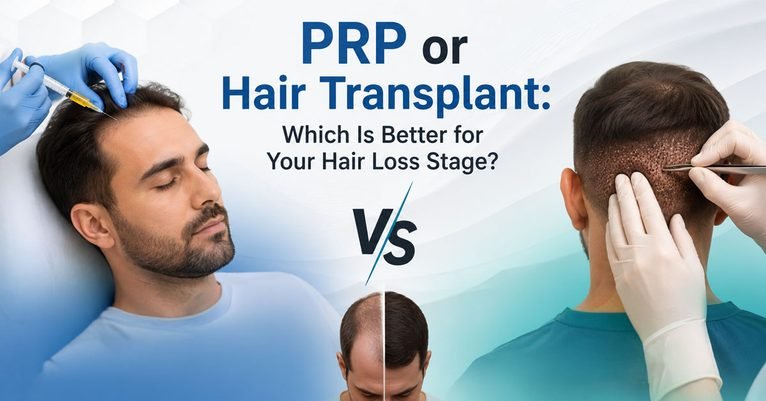
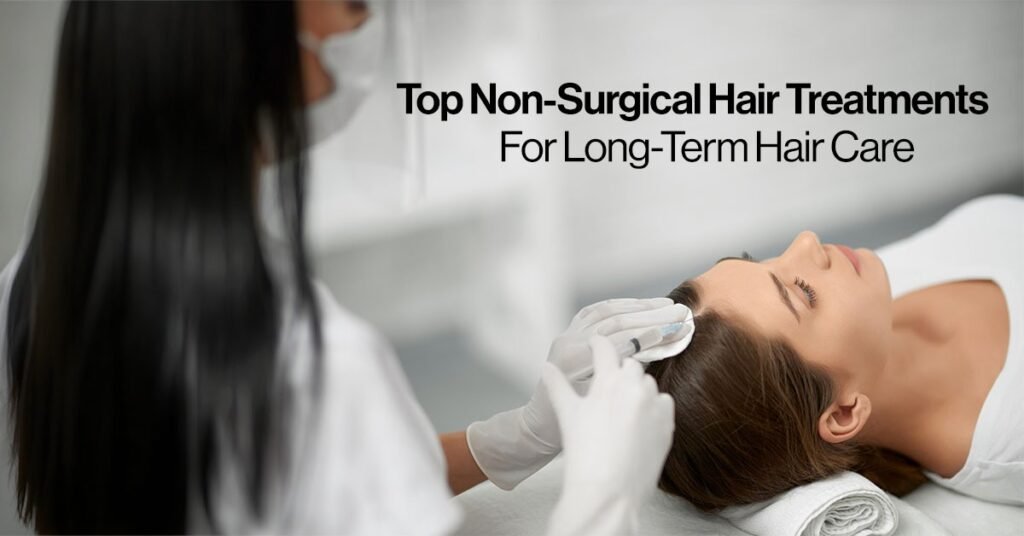
Among the most requested procedures at any advanced hair treatment clinic, Platelet-Rich Plasma (PRP) stands out because it utilizes the body’s own healing mechanisms. The process involves drawing a small amount of the patient’s blood, spinning it in a centrifuge to concentrate the platelets, and then injecting those growth factors back into the thinning areas of the scalp.
Growth Factor Concentrate (GFC) is a more refined version of this. It eliminates the red and white blood cells that can sometimes cause post-procedure soreness, delivering a pure “cocktail” of growth factors directly to the root. Patients often ask if it hurts. There is a slight pinching sensation, but the recovery is immediate. You can go back to work the same day. The outcome isn’t an overnight miracle; you usually see a reduction in shedding within two sessions and actual density improvements by the fourth.
Mesotherapy: Localized Nutrition
If the issue is primarily nutritional or hormonal, mesotherapy offers a direct route to the follicle. Instead of taking oral supplements that have to pass through the digestive system and get diluted, mesotherapy injects vitamins, minerals, and amino acids directly into the mesoderm (the middle layer of the skin).
This specific hair care treatment is particularly useful for those experiencing telogen effluvium—sudden hair shedding often triggered by stress, post-pregnancy, or recovery from illnesses like Dengue or COVID-19. It acts as a localized “booster shot” for the scalp. We observe that patients who combine mesotherapy with a balanced diet see much faster stabilization of hair loss compared to those using topical solutions alone.
Why the Choice of Clinic Dictates the Result
Not all treatments are created equal. The efficacy of a procedure depends heavily on the concentration of the serums used and the depth of delivery. Selecting an advanced hair treatment clinic ensures that you are not just getting a generic service, but a protocol-driven medical procedure. The speed of the centrifuge, the quality of the activator used in GFC, and even the hygiene standards of the injectable environment play a role in the final density of your hair.
QR678: The New Gold Standard in Peptides
For those who are wary of blood-based treatments, QR678 has emerged as a formidable alternative. It is a proprietary blend of six essential growth factors that are naturally present in the scalp but decline with age or hormonal changes. It is plant-derived and biomimetic, meaning it mimics the body’s natural signals to keep hair in the “Anagen” (growth) phase.
When patients seek a treatment for hair fall that is backed by clinical trials, this is often the recommendation. It works by “tricking” the dormant follicles into entering the growth cycle again. The results are often more predictable than traditional PRP because the concentration of growth factors is standardized rather than being dependent on the patient’s own blood quality.
The Role of Low-Level Laser Therapy (LLLT)
Laser therapy sounds futuristic, but the mechanism is simple: photobiomodulation. Low-level lasers stimulate mitochondria in the hair cells. This increases ATP production, which is essentially the energy currency of the cell. Think of it as charging a battery.
While LLLT is rarely used as a standalone treatment for advanced thinning, it is an excellent maintenance tool. It improves blood circulation to the scalp, ensuring that the nutrients from your diet and other treatments actually reach the follicle. It is painless and requires about 20 minutes of sitting under a specialized hood. It’s a passive but vital part of a long-term hair care treatment plan.
Addressing the Root: Why Early Intervention Matters
Wait until the hair is gone, and the options become limited. A follicle that has been dead for five years cannot be revived by a needle or a laser. The goal of a professional treatment for hair fall is to intervene while the follicle is still alive but struggling.
You might notice your ponytail getting thinner or your parting getting wider. These are the “yellow lights” of hair health. Chronic inflammation of the scalp, often characterized by itching or excessive oiliness, is another precursor to hair loss that many ignore. Clearing these issues is the first step in any medical-grade restoration process.
Navigating the Expectations
Honesty in trichology is rare but necessary. No non-surgical treatment will give you a “Lupin” level mane if you are already at a Grade 6 on the Norwood scale. However, for Grade 2 to Grade 4 thinning, these treatments can be life-changing. They offer a way to maintain your natural hair for decades without the downtime of surgery.
When you visit an advanced hair treatment clinic, the first step is always a digital scalp analysis. This allows the specialist to see exactly how many hairs are emerging from each pore. A healthy pore should have 2-3 hairs; a miniaturized one has only one thin, wispy strand. The success of the treatment is measured by the thickening of these existing strands.
The Long-Term Maintenance Plan
Hair is a living organ system. You cannot treat it once and expect it to stay perfect forever while the rest of your body ages. Long-term success involves a “cycle” approach. You might do a heavy loading phase of 6 sessions of GFC, followed by a maintenance session every six months.
In Chennai, we also have to account for the “Hard Water Factor.” The salts in the water build up on the scalp, creating a barrier. Using a clarifying rinse or a water softener is a simple practical step that enhances the results of your clinical treatment for hair fall. It is these small, real-world adjustments that separate those who get results from those who don’t.
Final Thoughts on Restoration
Science has moved past the era of “miracle oils.” We now have the tools to biologically influence how hair grows. Whether it is through the concentrated growth factors of GFC, the peptide power of QR678, or the localized nutrition of mesotherapy, the options are more effective than ever. The key is consistency and early detection. If you are noticing more hair in the drain than on your head, it is time to look beyond the shampoo aisle and toward medical science.